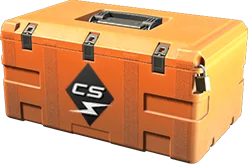
Modern
Kilowatt Case
A recent container with the Kukri knife as its gold special. A useful example of how a fresh, high-demand pool shapes the excitement of an open.
$1.55illustrativeCheck Case
CS2 case opening looks simple on the surface, but a lot happens in the second between unlocking a container and seeing your result. This guide walks through the process step by step, explains how odds and wear values are assigned, and sets out a level-headed approach before you open any cs2 cases. Every price mentioned is illustrative and used only to explain how value works.
By the end you will understand exactly why two opens of the same container can feel worlds apart, how rarity tiers translate into probabilities, and where competitive formats like the cs2 case battle fit in.
Pick a case whose skin pool you actually want. Read the full line-up first, because the container defines every possible outcome. Browse trending options in our popular CS2 cases guide.
Most in-game containers need a matching key bought separately, while some legacy cases and third-party formats differ. Check the exact requirement and cost before you commit.
On unlocking, the system runs a single independent draw against the container's published odds and selects one item from its pool. Nothing about previous opens influences this draw.
The drawn item lands in a colour-coded rarity tier, from Mil-Spec blue up to the gold special. The tier is fixed by which slot the draw landed in.
A float value between 0 and 1 is generated within the finish's allowed range, setting its wear from Factory New to Battle-Scarred. This is what makes each copy unique.
The finished skin, complete with rarity, wear and any StatTrak or pattern traits, is added to your inventory. From here you can keep, showcase or trade it.
A recent container with the Kukri knife as its gold special. A useful example of how a fresh, high-demand pool shapes the excitement of an open.
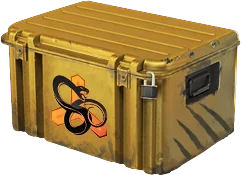
A low-cost container whose gold slot holds gloves rather than knives. A clear example of how the special item type varies between cases.
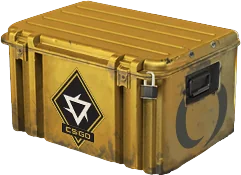
A newer container mixing reworked classics with fresh finishes. Handy for seeing how a balanced pool spreads value across its tiers.
Every container distributes its contents across a colour-coded rarity ladder, and each tier carries its own probability. Mil-Spec blue fills the vast majority of opens, Restricted purple appears less often, Classified pink and Covert red are progressively scarcer, and the gold special item sits far below one percent. Those percentages are fixed and public, so you can always know your rough chance at any tier before you begin.
Crucially, every open is an independent draw. A run of low-tier results does not make a special item any more likely on the next attempt, and there is no due streak. This is why chasing losses never works mathematically, and it is the single most important concept in cs2 case opening.
The moment a skin is drawn it receives a float value between 0 and 1, generated within the range that finish permits. That float maps to one of five wear categories: Factory New, Minimal Wear, Field-Tested, Well-Worn and Battle-Scarred. Lower floats generally look cleaner and carry higher illustrative value, which is why two identical finishes from the same case can differ dramatically in appearance and worth. Not every finish behaves the same way at high float: some designs expose metal or gain character as they wear, and a few are collected specifically in rougher condition. For a deeper look at how wear shapes demand, see our popular CS2 skins guide.
Two outcomes lift an open above the ordinary. StatTrak is an optional trait that attaches a live kill counter to a weapon; it is scarcer than the plain version of the same finish and usually carries a premium, though it does not alter the artwork beyond the counter. Not every draw can be StatTrak, and the chance is baked into the container's odds.
The true grail of any container is its rare special item: the gold-tier knives and gloves that sit far below one percent. These are the outcomes players dream about, from a Marble Fade blade to a coveted glove finish. Because they are so scarce, they anchor much of a container's perceived value. You can explore these top-tier prizes in our knife skins guide, alongside dedicated AWP skins and AK-47 skins breakdowns.
Opening does not have to be a solo activity. In a cs2 case battle, several players open the same containers simultaneously and the highest combined value takes the pot. The mechanics of each individual open are identical to what is described above; the battle simply layers a head-to-head structure on top. Our full case battles guide covers the rules, formats and strategy in detail.
These competitive formats, along with everyday opening, are frequently hosted on external sites often described as clash gg cases platforms. StashClash is an independent guide and is not affiliated with clash.gg or any other operator; we explain the mechanics so you can make informed decisions. Whatever format you choose, the underlying odds, wear and rarity rules never change.
Because outcomes are random and independent, case opening should always be treated as entertainment rather than a way to make money. Set a fixed budget before you start and stop when you reach that limit regardless of results. Never chase a loss, and never spend money earmarked for anything important.
Confirm you meet the legal age requirement wherever you play, read the posted odds and terms on any platform, and remember that every price on this site is illustrative. A calm, informed, budgeted approach is the only sensible way to enjoy cs2 cases. For common questions and safer-play guidance, visit our FAQ before you begin.
You now know how odds, wear and rarity shape every result. Explore responsibly and within your means.
Open CS2 CasesOne quick check before you jump to the external CS2 case-opening arena: confirm your age and agree to the terms below.